Français

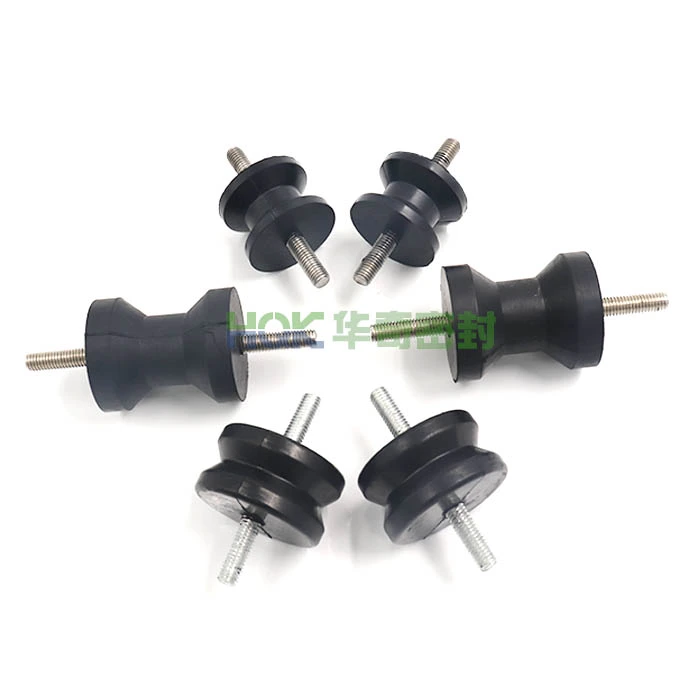
The relative density of chlorinated rubber is 1.596, its water absorption is 0.1 to 0.3, heat stability temperature is 130°C, can be soluble in aromatic hydrocarbons, esters, ketones, ethers, animal and vegetable oils and Chlorinated hydrocarbon solution, but insoluble in aliphatic hydrocarbons, alcohols and water. Industrial chlorinated rubber - generally white or creamy yellow powder, flakes or fibrous, with good resistance to Heat resistance. The upstream raw materials are chlorine, carbon tetrachloride and natural rubber, and the downstream products are antirust paint, perchloroethylene fireproof paint and high-performance engineering machinery paint.
Common Processing Processes
( 1 ) Aqueous chlorination technology. At room temperature, the natural latex is acidified with hydrochloric acid solution, and then a certain proportion of surfactant is added to form a stable aqueous emulsion. At the beginning of the reaction, a catalyst is added and the reaction is chlorinated at UV light, 20°C ~ 40°C for a certain time, and then deep chlorination is carried out at 40°C ~ 70°C. After the reaction, post-treatment such as deacidification, neutralization, washing and drying are carried out to obtain chlorinated rubber with chlorine mass fraction greater than 65%.
( 2 ) Solvent exchange technology. Chlorine gas is passed through the carbon tetrachloride solution of natural rubber, toluene is added at the end of the chlorination reaction, and carbon tetrachloride is separated by distillation.
Carbon tetrachloride is removed from impurities and returned to the chlorination system for reuse. The toluene solution of chlorinated rubber is hydrolyzed, and the chlorinated rubber is precipitated in water, washed, dried and crushed to obtain The finished product is obtained, while the aqueous solution of toluene is dehydrated, dried and returned to the distillation system for reuse.
Uses of chlorinated rubber
Used in ink, paint and adhesive; used in the manufacture of adhesives; raw material for the manufacture of fireproof and anti-corrosion paint.
Common Processing Processes
( 1 ) Aqueous chlorination technology. At room temperature, the natural latex is acidified with hydrochloric acid solution, and then a certain proportion of surfactant is added to form a stable aqueous emulsion. At the beginning of the reaction, a catalyst is added and the reaction is chlorinated at UV light, 20°C ~ 40°C for a certain time, and then deep chlorination is carried out at 40°C ~ 70°C. After the reaction, post-treatment such as deacidification, neutralization, washing and drying are carried out to obtain chlorinated rubber with chlorine mass fraction greater than 65%.
( 2 ) Solvent exchange technology. Chlorine gas is passed through the carbon tetrachloride solution of natural rubber, toluene is added at the end of the chlorination reaction, and carbon tetrachloride is separated by distillation.
Carbon tetrachloride is removed from impurities and returned to the chlorination system for reuse. The toluene solution of chlorinated rubber is hydrolyzed, and the chlorinated rubber is precipitated in water, washed, dried and crushed to obtain The finished product is obtained, while the aqueous solution of toluene is dehydrated, dried and returned to the distillation system for reuse.
Uses of chlorinated rubber
Used in ink, paint and adhesive; used in the manufacture of adhesives; raw material for the manufacture of fireproof and anti-corrosion paint.