Français

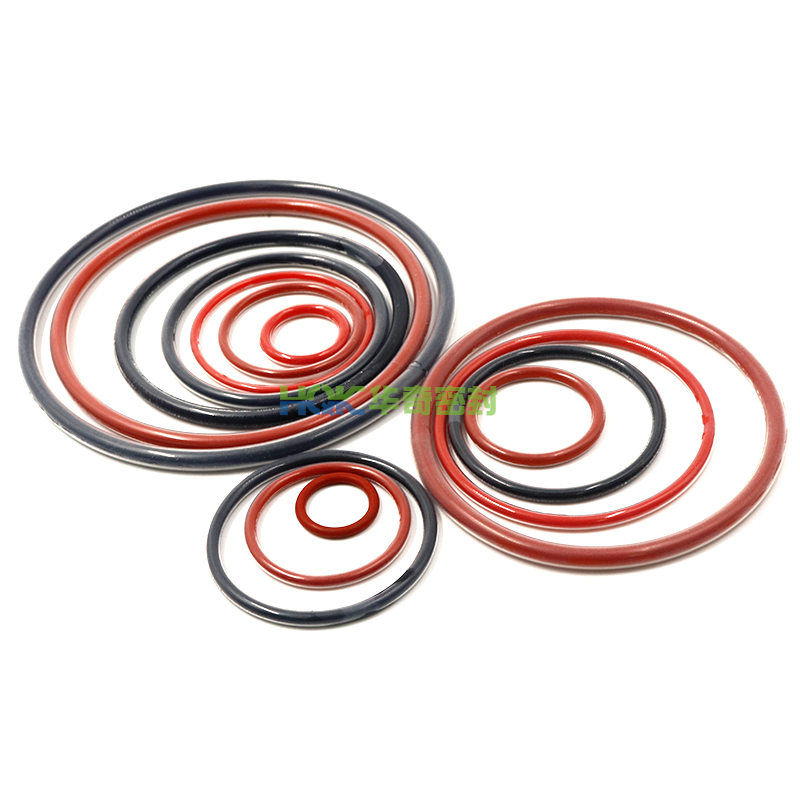
Rubber is an electrically insulating material, and when its surface is rubbed, the charge in a static state accumulates, forming static electricity. When the static electricity accumulates to a certain amount, it will be released in the form of sparks. If the amount of discharge is slight, the human body does not constitute a hazard, but when the discharge reaches a certain level, it will cause electric shock. In order to ensure personal safety, the rubber used in such cases must be antistatic rubber that can conduct static electricity. The dangers of static electricity are as follows.
1. When the static electricity is released, if there is a fire around, flammable and explosive substances will be bow | hair fire; 2.
2. Strike the human body, although the electric shock - generally does not belong to the fatal, but always harmful to the human body.
3. Electrostatically charged surfaces attract dust from the surrounding area. For example, the textile mill rollers in the drafting yarn, and yarn friction between the static electricity. When the static electricity accumulates to a certain extent, it will be adsorbed around the air in the flying yarn, affecting the operation. In short, the exact definition of anti-static is not to prevent the generation of static electricity, but to eliminate the static electricity has been accumulated.
Various rubber electrical insulation properties are better, in contrast, neoprene and butadiene rubber volume resistance is the smallest, known as the "semiconductor rubber", often used as the first choice for anti-static, but not the only object of consideration, can be adjusted through the addition of anti-static agent.
1. When the static electricity is released, if there is a fire around, flammable and explosive substances will be bow | hair fire; 2.
2. Strike the human body, although the electric shock - generally does not belong to the fatal, but always harmful to the human body.
3. Electrostatically charged surfaces attract dust from the surrounding area. For example, the textile mill rollers in the drafting yarn, and yarn friction between the static electricity. When the static electricity accumulates to a certain extent, it will be adsorbed around the air in the flying yarn, affecting the operation. In short, the exact definition of anti-static is not to prevent the generation of static electricity, but to eliminate the static electricity has been accumulated.
Various rubber electrical insulation properties are better, in contrast, neoprene and butadiene rubber volume resistance is the smallest, known as the "semiconductor rubber", often used as the first choice for anti-static, but not the only object of consideration, can be adjusted through the addition of anti-static agent.