Français

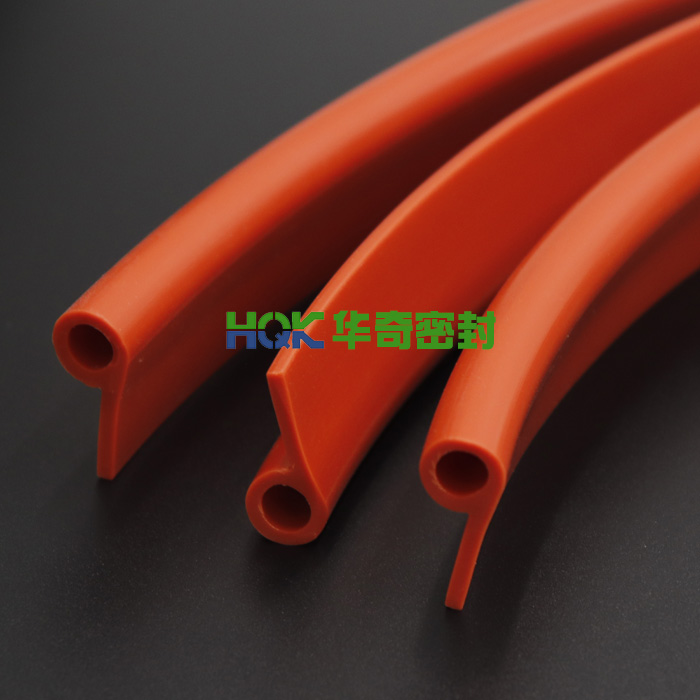
Tensile strength characterizes the ultimate ability of vulcanized rubber to resist tensile failure. Although the vast majority of rubber products will not deform several times larger than the original length under the conditions of use, the actual service life of many rubber products has a good correlation with the tensile strength.
The results of studying the breaking strength of polymers show that the main valence bonds of macromolecules, intermolecular forces (secondary bonds), the flexibility of macromolecular chains, and the relaxation process are the intrinsic factors that determine the tensile strength of polymers.
The method for improving tensile strength is discussed below from each compounding system.
Relationship between rubber structure and tensile strength
Raw rubber with a relative molecular mass of (3.0~3.5)×105 is beneficial to ensure higher tensile strength.
When there are polar substituents on the main chain, the intermolecular force will increase, and the tensile strength will also increase. For example, the tensile strength of nitrile rubber increases with the increase of acrylonitrile content.
With the increase of crystallinity, the molecular arrangement will be more compact and orderly, the pores and microscopic defects will be reduced, the intermolecular force will be enhanced, and the movement of macromolecular segments will be more difficult, so that the tensile strength will be improved. After the rubber molecular chain is oriented, the tensile strength in the direction parallel to the molecular chain increases.
The results of studying the breaking strength of polymers show that the main valence bonds of macromolecules, intermolecular forces (secondary bonds), the flexibility of macromolecular chains, and the relaxation process are the intrinsic factors that determine the tensile strength of polymers.
The method for improving tensile strength is discussed below from each compounding system.
Relationship between rubber structure and tensile strength
Raw rubber with a relative molecular mass of (3.0~3.5)×105 is beneficial to ensure higher tensile strength.
When there are polar substituents on the main chain, the intermolecular force will increase, and the tensile strength will also increase. For example, the tensile strength of nitrile rubber increases with the increase of acrylonitrile content.
With the increase of crystallinity, the molecular arrangement will be more compact and orderly, the pores and microscopic defects will be reduced, the intermolecular force will be enhanced, and the movement of macromolecular segments will be more difficult, so that the tensile strength will be improved. After the rubber molecular chain is oriented, the tensile strength in the direction parallel to the molecular chain increases.