Français

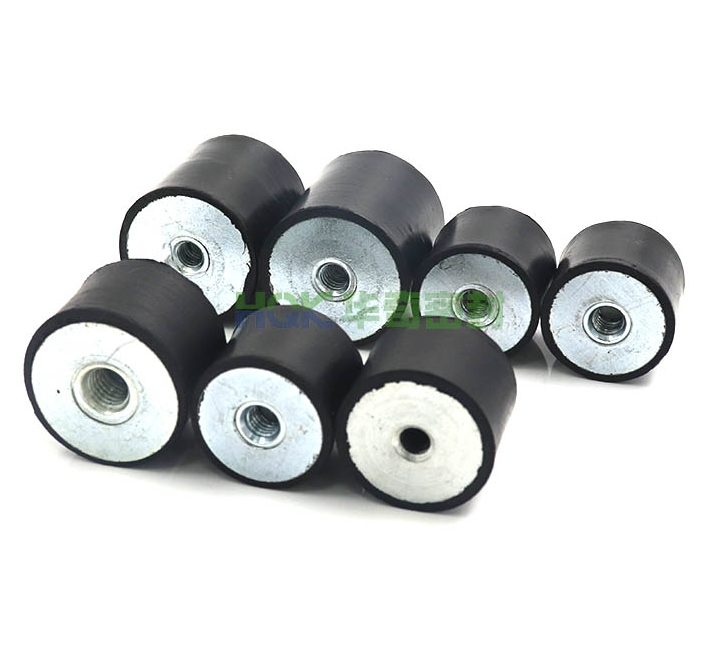
1、Oil resistance and solvent resistance:NBR has oil resistance in common rubber. NBR is more resistant to petroleum-based oils, benzene and other non-polar solvents than natural rubber, styrene butadiene rubber, butyl rubber and other non-polar rubbers, but also better than polar chlorinated rubber. However, NBR is less resistant to polar oils and solvents (e.g. ethanol), but less resistant to non-polar rubbers.
2, Physical properties: NBR is a nitrile copolymer with random structure, and will not crystallize under tension. Therefore, the physical and mechanical properties of pure J Nitrile rubber vulcanized rubber are the same with styrene J Nitrile rubber, which is much lower than natural rubber. Nitrile vulcanized rubber reinforcement (i.e. adding reinforcing fillers, such as carbon black and phenolic resin), the tensile strength can reach the level of natural rubber, usually around 24.50mpa, with the increase of the polarity content of the NBR, the flexibility of the macromolecular chain decreases, increasing the intermolecular atom
With the increase of polarity content of NBR, the flexibility of the macromolecular chain decreases, the intermolecular atomic force increases, the double bond decreases, the macromolecular chain is unsaturated, thus bringing a series of performance changes. ACN content of 35% to 40%, is 75 ° C when the compression deformation, elasticity and hardness of the critical point. If the oil resistance meets the requirements, should be used as far as possible, ACN less than 40% of the species. J Nitrile's elasticity is less than that of natural rubber and styrene butadiene rubber, NBR's elasticity is closely related to the temperature. Compared with NBR, temperature and elasticity are more likely to increase. Therefore, NBR is well suited for the manufacture of shock absorbers with high oil resistance. NBR elasticity with the combination of acrylonitrile and the characteristics of change
3, air permeability: NBR has better airtightness than natural rubber and styrene butadiene rubber, but not as good as polysulfide rubber, which is similar to butyl rubber.
4, low temperature performance: NBR in general rubber in the low temperature performance is poor. Low temperature performance and acrylonitrile content, glass transition temperature increases with the increase of acrylonitrile content. The glass transition temperature of NBR can be lowered and the low temperature performance can be improved.
5, heat resistance: the heat resistance of NBR is better than that of natural rubber and styrene butadiene rubber. Choose the right formula, J nitrile rubber products can be used continuously at 120°C; can withstand 150°C hot oil; immersed in 191°C oil for 70 hours, it still has the ability to flex.6. Ozone resistance: NBR's ozone resistance is not good, - generally add ozone-resistant agent to improve it, but in the use of the product in contact with the oil is easy to take out ozone-resistant agent and lose the role of ozone-resistant. Combined with PVC, the effect is remarkable.
7、Water resistance: NBR has better water resistance. The higher the content of acrylonitrile, the better the water resistance.
8、Electrical insulation performance: NBR has poor electrical insulation performance due to its polarity. It belongs to semiconductor rubber, and should not be used as insulating material.
9, aging resistance: the aging resistance of NBR without antioxidant is very poor, while the aging resistance and heat resistance of NBR with antioxidant are better than that of natural rubber. After thermo-oxidative aging, the tensile strength of natural rubber is greatly reduced, but the reduction of NBR is actually very small.
2, Physical properties: NBR is a nitrile copolymer with random structure, and will not crystallize under tension. Therefore, the physical and mechanical properties of pure J Nitrile rubber vulcanized rubber are the same with styrene J Nitrile rubber, which is much lower than natural rubber. Nitrile vulcanized rubber reinforcement (i.e. adding reinforcing fillers, such as carbon black and phenolic resin), the tensile strength can reach the level of natural rubber, usually around 24.50mpa, with the increase of the polarity content of the NBR, the flexibility of the macromolecular chain decreases, increasing the intermolecular atom
With the increase of polarity content of NBR, the flexibility of the macromolecular chain decreases, the intermolecular atomic force increases, the double bond decreases, the macromolecular chain is unsaturated, thus bringing a series of performance changes. ACN content of 35% to 40%, is 75 ° C when the compression deformation, elasticity and hardness of the critical point. If the oil resistance meets the requirements, should be used as far as possible, ACN less than 40% of the species. J Nitrile's elasticity is less than that of natural rubber and styrene butadiene rubber, NBR's elasticity is closely related to the temperature. Compared with NBR, temperature and elasticity are more likely to increase. Therefore, NBR is well suited for the manufacture of shock absorbers with high oil resistance. NBR elasticity with the combination of acrylonitrile and the characteristics of change
3, air permeability: NBR has better airtightness than natural rubber and styrene butadiene rubber, but not as good as polysulfide rubber, which is similar to butyl rubber.
4, low temperature performance: NBR in general rubber in the low temperature performance is poor. Low temperature performance and acrylonitrile content, glass transition temperature increases with the increase of acrylonitrile content. The glass transition temperature of NBR can be lowered and the low temperature performance can be improved.
5, heat resistance: the heat resistance of NBR is better than that of natural rubber and styrene butadiene rubber. Choose the right formula, J nitrile rubber products can be used continuously at 120°C; can withstand 150°C hot oil; immersed in 191°C oil for 70 hours, it still has the ability to flex.6. Ozone resistance: NBR's ozone resistance is not good, - generally add ozone-resistant agent to improve it, but in the use of the product in contact with the oil is easy to take out ozone-resistant agent and lose the role of ozone-resistant. Combined with PVC, the effect is remarkable.
7、Water resistance: NBR has better water resistance. The higher the content of acrylonitrile, the better the water resistance.
8、Electrical insulation performance: NBR has poor electrical insulation performance due to its polarity. It belongs to semiconductor rubber, and should not be used as insulating material.
9, aging resistance: the aging resistance of NBR without antioxidant is very poor, while the aging resistance and heat resistance of NBR with antioxidant are better than that of natural rubber. After thermo-oxidative aging, the tensile strength of natural rubber is greatly reduced, but the reduction of NBR is actually very small.
The heat resistance of NBR is the same as its aging resistance, when L0000H is aged at 100C, its elongation can still be more than 100%. NBR products can be used at 130°C for a short time, and can be used at higher temperatures without oxygen, therefore, J Nitrile rubber has better heat resistance than natural rubber and SBR. Even more than chloroprene rubber. JNR has the same weather resistance and ozone resistance as natural rubber, but slightly lower than natural rubber. Adding polyvinyl chloride in J nitrile rubber can improve its weather resistance and ozone resistance.
10、Radiation resistance.
NBR may also be damaged by nuclear radiation, resulting in increased hardness and decreased elongation. However, compared with other synthetic rubbers, NBR is less affected by radiation, and NBR with acrylonitrile content of 33-38 % has good radiation resistance. The tensile strength of NBR with high acrylonitrile content can be increased by 140% after nuclear radiation, because NBR with low acrylonitrile content degrades under radiation, while NBR with high acrylonitrile content undergoes cross-linking reaction under nuclear radiation.
10、Radiation resistance.
NBR may also be damaged by nuclear radiation, resulting in increased hardness and decreased elongation. However, compared with other synthetic rubbers, NBR is less affected by radiation, and NBR with acrylonitrile content of 33-38 % has good radiation resistance. The tensile strength of NBR with high acrylonitrile content can be increased by 140% after nuclear radiation, because NBR with low acrylonitrile content degrades under radiation, while NBR with high acrylonitrile content undergoes cross-linking reaction under nuclear radiation.