Français

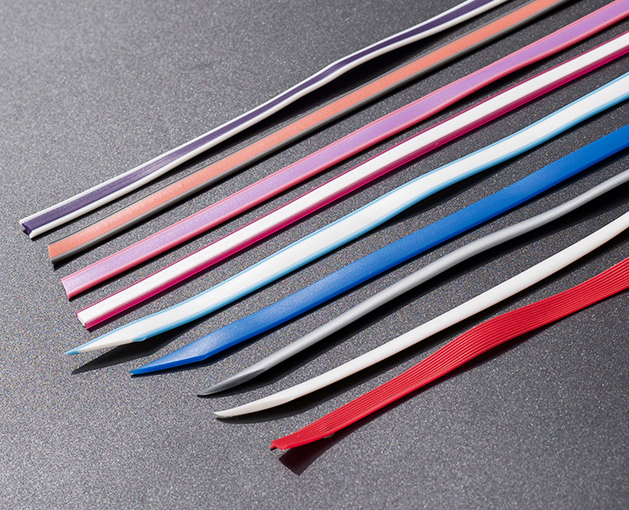
Color selection is not merely an aesthetic concern; it also involves performance, cost, and consistency:
Pigment Temperature Resistance: While silicone rubber itself withstands high temperatures (typically -60°C to +200°C), the selected pigments must also endure this temperature range. Otherwise, discoloration or fading may occur in high-temperature environments. Inorganic pigments generally offer greater stability than organic pigments.
Chemical stability of colorants: Ensure compatibility with media contacting the silicone (e.g., oils, acids, alkalis, detergents) to prevent chemical reactions causing fading or contamination. This is particularly critical in food and medical applications.
Food-grade and medical-grade requirements: If your product involves food contact or medical use, the colorants must comply with relevant standards like FDA, LFGB, or USP Class VI to ensure non-toxicity and safety.
Color uniformity and consistency: Reputable manufacturers guarantee color stability across batches. Smaller producers may experience color variations due to ingredient precision and process issues.
Minimum Order Quantity (MOQ): Custom colors typically require a minimum order quantity. Manufacturers must dedicate resources to color matching and equipment cleaning, making small orders cost-prohibitive. Standard colors face fewer restrictions.
Cost and Lead Time: Standard colors offer the lowest cost and fastest delivery. Custom colors (especially Pantone matches) incur additional mixing fees and longer production cycles.
Light Blocking: For instance, if you require a black silicone strip for superior light blocking (e.g., sealing oven doors), you must select a formulation with sufficient carbon black content to achieve effective light blocking properties.
Pigment Temperature Resistance: While silicone rubber itself withstands high temperatures (typically -60°C to +200°C), the selected pigments must also endure this temperature range. Otherwise, discoloration or fading may occur in high-temperature environments. Inorganic pigments generally offer greater stability than organic pigments.
Chemical stability of colorants: Ensure compatibility with media contacting the silicone (e.g., oils, acids, alkalis, detergents) to prevent chemical reactions causing fading or contamination. This is particularly critical in food and medical applications.
Food-grade and medical-grade requirements: If your product involves food contact or medical use, the colorants must comply with relevant standards like FDA, LFGB, or USP Class VI to ensure non-toxicity and safety.
Color uniformity and consistency: Reputable manufacturers guarantee color stability across batches. Smaller producers may experience color variations due to ingredient precision and process issues.
Minimum Order Quantity (MOQ): Custom colors typically require a minimum order quantity. Manufacturers must dedicate resources to color matching and equipment cleaning, making small orders cost-prohibitive. Standard colors face fewer restrictions.
Cost and Lead Time: Standard colors offer the lowest cost and fastest delivery. Custom colors (especially Pantone matches) incur additional mixing fees and longer production cycles.
Light Blocking: For instance, if you require a black silicone strip for superior light blocking (e.g., sealing oven doors), you must select a formulation with sufficient carbon black content to achieve effective light blocking properties.