Français

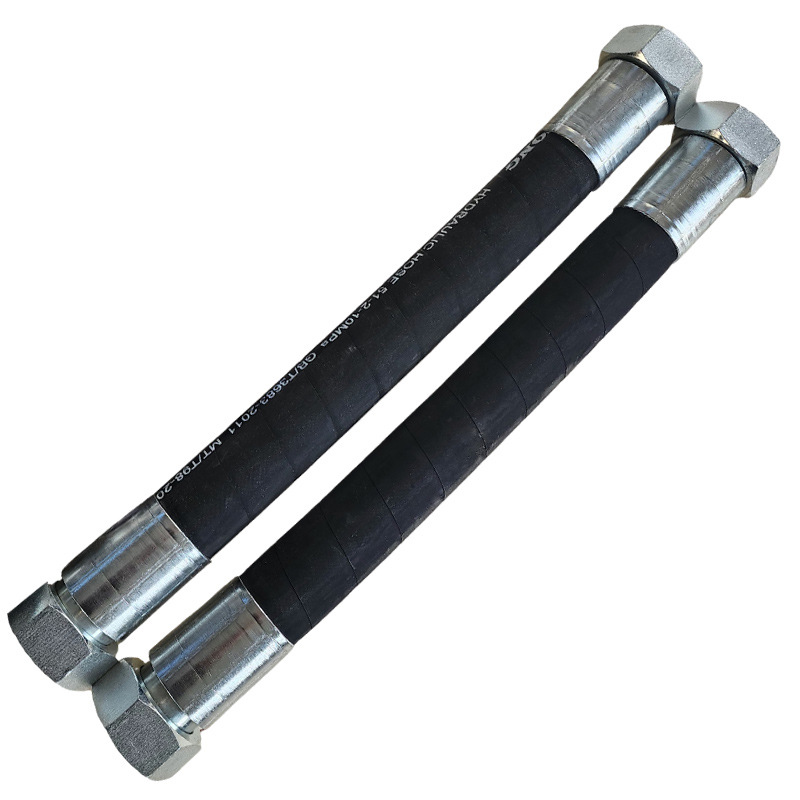
1.1 The influence of vulcanisation temperature and pressure Vulcanisation temperature and pressure are important factors affecting the quality of rubber vulcanisation. If the vulcanisation temperature is too high, it will lead to blistering of the rubber surface, thus forming fusion marks. In addition, insufficient vulcanising pressure will also lead to insufficient rubber vulcanisation and scarring on the surface. Therefore, during the vulcanisation process, the temperature and pressure must be strictly controlled to ensure that they are within the appropriate range.
1.2 Inadequate design of rubber formulation Inadequate design of rubber formulation is also an important cause of fusion marks. For example, the formula of the matching agent reacts with each other to produce air bubbles nest gas, or the rubber material itself is damp and contains moisture, gasification during vulcanisation to produce nest gas, will lead to the production of fusion marks. In addition, the decomposition of certain materials in the vulcanisation process will release gas or low volatile components overflow, will also form a fusion mark.
1.3 Mould design unreasonable mould design directly affects the quality of rubber vulcanized products. Mould structure design is unreasonable, such as improper location of the exhaust hole, runners have dead corners, etc., will lead to the rubber and the mould surface of the air between the surface can not escape, so as to form a fusion welding marks in the vulcanisation process. In addition, too high or too low mould temperature will also affect the fluidity of rubber, resulting in fusion marks.
1.4 Improper control of vulcanisation process parameters The vulcanisation process is also an important factor affecting the quality of rubber vulcanisation. For example, too fast vulcanisation boosting speed will lead to the gas can not be discharged in time, thus forming fusion marks. In addition, the vulcanisation time is too long or too short will also affect the degree of rubber vulcanisation, resulting in the production of fusion marks.
1.2 Inadequate design of rubber formulation Inadequate design of rubber formulation is also an important cause of fusion marks. For example, the formula of the matching agent reacts with each other to produce air bubbles nest gas, or the rubber material itself is damp and contains moisture, gasification during vulcanisation to produce nest gas, will lead to the production of fusion marks. In addition, the decomposition of certain materials in the vulcanisation process will release gas or low volatile components overflow, will also form a fusion mark.
1.3 Mould design unreasonable mould design directly affects the quality of rubber vulcanized products. Mould structure design is unreasonable, such as improper location of the exhaust hole, runners have dead corners, etc., will lead to the rubber and the mould surface of the air between the surface can not escape, so as to form a fusion welding marks in the vulcanisation process. In addition, too high or too low mould temperature will also affect the fluidity of rubber, resulting in fusion marks.
1.4 Improper control of vulcanisation process parameters The vulcanisation process is also an important factor affecting the quality of rubber vulcanisation. For example, too fast vulcanisation boosting speed will lead to the gas can not be discharged in time, thus forming fusion marks. In addition, the vulcanisation time is too long or too short will also affect the degree of rubber vulcanisation, resulting in the production of fusion marks.