Français

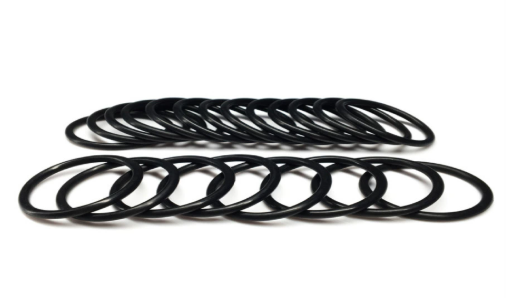
Packaging constitutes the primary and most critical measure for product protection.
Inner packaging (directly contacting the product):
Isolation protection: Each sealing ring or seal should be individually packaged in a plastic bag or cling film to prevent mutual adhesion or friction. For O-rings and similar components, resealable bags may be used, with a small quantity of talcum powder (food grade) or baby powder added to prevent sticking.
Vacuum Packaging: For premium products requiring stringent oxidation protection (e.g., fluororubber, silicone items), vacuum packaging with desiccants significantly extends shelf life.
Material Compatibility: Ensure inner packaging materials (e.g., plastic bags) do not react with rubber, leaching plasticisers or other substances that could contaminate the product. Outer Packaging (Providing Physical Support and Protection):
Sturdy Cartons/Boxes: Provide sufficient crush resistance to prevent internal products from being crushed during stacking. Use dividers or foam within the box to separate products in layers, preventing deformation from compression.
Woven bags/burlap sacks strictly prohibited: Such packaging offers no protection, readily causing product deformation, dust contamination, and moisture ingress.
Clear labelling: Outer packaging must clearly display markings such as ‘Rubber Products’, ‘Do Not Crush’, ‘Keep Dry’, ‘Avoid Light’, and ‘Protect from Heat’, with pictorial warnings where applicable.
Inner packaging (directly contacting the product):
Isolation protection: Each sealing ring or seal should be individually packaged in a plastic bag or cling film to prevent mutual adhesion or friction. For O-rings and similar components, resealable bags may be used, with a small quantity of talcum powder (food grade) or baby powder added to prevent sticking.
Vacuum Packaging: For premium products requiring stringent oxidation protection (e.g., fluororubber, silicone items), vacuum packaging with desiccants significantly extends shelf life.
Material Compatibility: Ensure inner packaging materials (e.g., plastic bags) do not react with rubber, leaching plasticisers or other substances that could contaminate the product. Outer Packaging (Providing Physical Support and Protection):
Sturdy Cartons/Boxes: Provide sufficient crush resistance to prevent internal products from being crushed during stacking. Use dividers or foam within the box to separate products in layers, preventing deformation from compression.
Woven bags/burlap sacks strictly prohibited: Such packaging offers no protection, readily causing product deformation, dust contamination, and moisture ingress.
Clear labelling: Outer packaging must clearly display markings such as ‘Rubber Products’, ‘Do Not Crush’, ‘Keep Dry’, ‘Avoid Light’, and ‘Protect from Heat’, with pictorial warnings where applicable.