Français

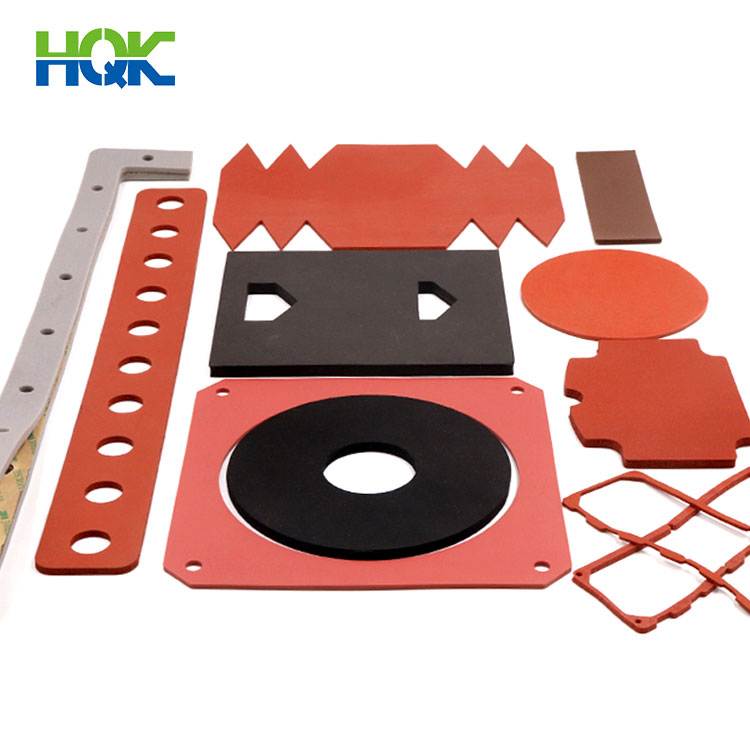
Rubber-plastic alloy ( NBR/PVC ): the main performance: the main advantage of rubber-plastic alloy rubber is that it has both the ozone resistance of PVC and the oil resistance and cross-linking of nitrile rubber.
Compared with NBR, NBR/PVC has improved strength, flame retardancy, abrasion resistance, solvent resistance, ozone cracking resistance, and significantly improved processing performance and sponge foaming performance; compared with pure NBR, NBR/PVC has improved strength, flame retardancy, abrasion resistance, solvent resistance, ozone cracking resistance, processing performance and sponge foaming performance.
Compared with pure NBR, the blends have the following characteristics: Significantly improved ozone and weather aging resistance. Improved tensile strength, constant tensile stress, tear resistance, heat resistance and flame resistance; improved resistance to oil, fuel and chemicals. Improve the press out, calendering performance, at the same time, the rubber is not easy to self-sulfurization, enhanced storage stability; can be arbitrarily colored, the production of bright-colored products.
Application: NV rubber-plastic alloy rubber is mainly used in wire and cable sheathing, oil and fuel pipe outer layer rubber, high pressure, ultra-high pressure hose inner layer rubber/outer layer rubber, textile industry rubber rolls/knot, elevator handrail/printing/dyeing rubber rolls, more ring, etc., automotive molded parts, aviation rubber products, rubber sheets, tapes, conveyor belts, seals, sealing strips, safety boots and protective coatings and other fields.
Models: According to the ratio of NBR/PVC: 70:30, 60:40, 50:50, 40:60, with Menni viscosity between 55-65.