Français

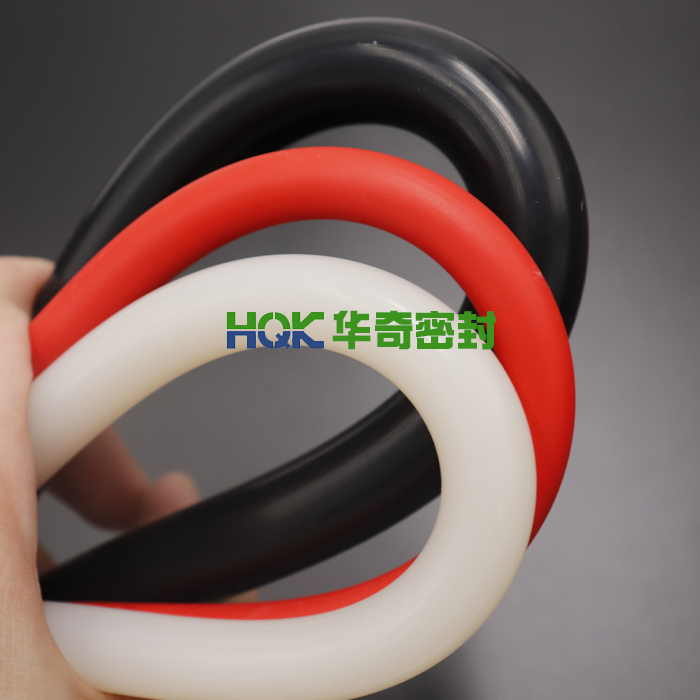
Cleaning the substrate surface: This is the most crucial step!
Ensure the installation contact surface (grooves, flange surfaces, etc.) is absolutely clean, dry, and free from oil contamination.
Thoroughly remove dust, grease, iron filings, and other contaminants using a lint-free cloth and suitable solvent (e.g., alcohol, isopropyl alcohol). Any residue will cause sealing failure.
Inspect the silicone strip itself:
Check for damage, scratches, deformation, or flash.
Confirm the strip's specifications (e.g., cross-section shape, dimensions) match the designed groove requirements. Prepare joints (if splicing is required):
If cutting and splicing is necessary, ensure all cut edges are straight and free of burrs.
The optimal jointing method is a 45° mitre cut, ensuring the interface is tightly and flushly aligned. This maximises contact area and avoids leakage issues common with straight cuts. Where necessary, employ specialised adhesives (such as silicone sealant) for bonding.
Ensure the installation contact surface (grooves, flange surfaces, etc.) is absolutely clean, dry, and free from oil contamination.
Thoroughly remove dust, grease, iron filings, and other contaminants using a lint-free cloth and suitable solvent (e.g., alcohol, isopropyl alcohol). Any residue will cause sealing failure.
Inspect the silicone strip itself:
Check for damage, scratches, deformation, or flash.
Confirm the strip's specifications (e.g., cross-section shape, dimensions) match the designed groove requirements. Prepare joints (if splicing is required):
If cutting and splicing is necessary, ensure all cut edges are straight and free of burrs.
The optimal jointing method is a 45° mitre cut, ensuring the interface is tightly and flushly aligned. This maximises contact area and avoids leakage issues common with straight cuts. Where necessary, employ specialised adhesives (such as silicone sealant) for bonding.