Français

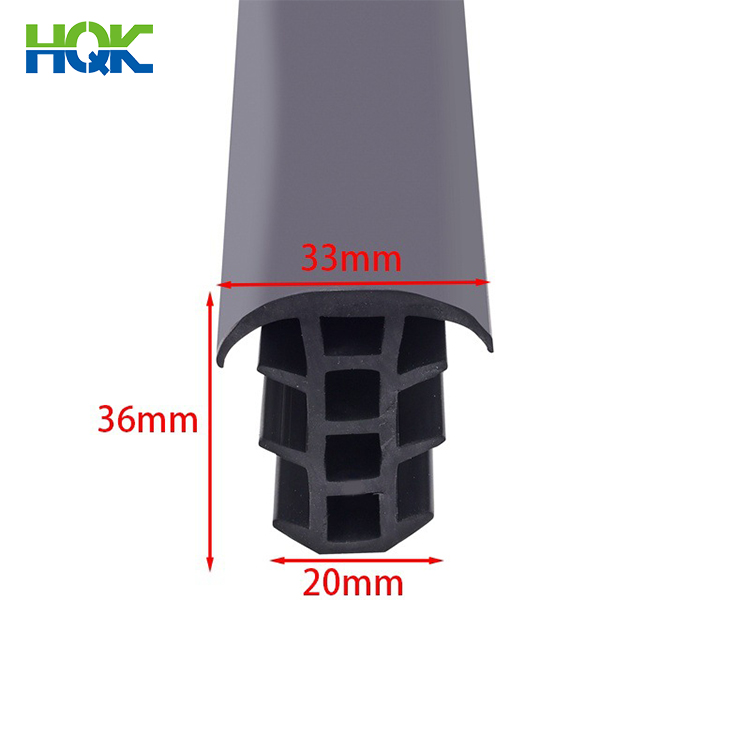
Rubber dynamic fatigue of the influence of many factors, mainly including the nature of the rubber material itself, formula design, processing technology and the use of the environment.
1 The nature of rubber materials The nature of rubber materials has an important impact on dynamic fatigue. For example, silicone has high elasticity and toughness, but relatively poor fatigue resistance; while natural rubber (NR) and synthetic rubber such as butyl rubber (BR) has better fatigue resistance. In addition, the molecular weight, molecular weight distribution, crosslink density and other properties of rubber will also affect its dynamic fatigue.
2 Formulation design is one of the key factors affecting the dynamic fatigue of rubber. The type, amount and synergistic effect of various compounding agents in the formulation will affect the dynamic fatigue property of rubber. For example, the type and dosage of vulcanising agents, accelerators, antioxidants and other compounding agents will affect the crosslink density and crosslink structure of the rubber, thus affecting its dynamic fatigue properties. In addition, the type, amount and dispersion of fillers also affect the dynamic fatigue property of rubber.
3 Processing Technology The effect of processing technology on the dynamic fatigue property of rubber should not be ignored. Mixing, calendering, vulcanisation and other processing processes such as temperature, time, pressure and other parameters will affect the internal structure and properties of rubber, thus affecting its dynamic fatigue. For example, too high a vulcanisation temperature or too long a time will lead to oversulphurisation of the rubber, making the rubber hard.
4 Use environment The use environment is also one of the important factors affecting the dynamic fatigue property of rubber. Temperature, humidity, stress amplitude, deformation frequency and other environmental factors will have an impact on the dynamic fatigue of rubber. For example, high-temperature environment, rubber is prone to thermal aging, resulting in performance degradation; and stress amplitude and deformation frequency increase will accelerate the fatigue damage of rubber.
1 The nature of rubber materials The nature of rubber materials has an important impact on dynamic fatigue. For example, silicone has high elasticity and toughness, but relatively poor fatigue resistance; while natural rubber (NR) and synthetic rubber such as butyl rubber (BR) has better fatigue resistance. In addition, the molecular weight, molecular weight distribution, crosslink density and other properties of rubber will also affect its dynamic fatigue.
2 Formulation design is one of the key factors affecting the dynamic fatigue of rubber. The type, amount and synergistic effect of various compounding agents in the formulation will affect the dynamic fatigue property of rubber. For example, the type and dosage of vulcanising agents, accelerators, antioxidants and other compounding agents will affect the crosslink density and crosslink structure of the rubber, thus affecting its dynamic fatigue properties. In addition, the type, amount and dispersion of fillers also affect the dynamic fatigue property of rubber.
3 Processing Technology The effect of processing technology on the dynamic fatigue property of rubber should not be ignored. Mixing, calendering, vulcanisation and other processing processes such as temperature, time, pressure and other parameters will affect the internal structure and properties of rubber, thus affecting its dynamic fatigue. For example, too high a vulcanisation temperature or too long a time will lead to oversulphurisation of the rubber, making the rubber hard.
4 Use environment The use environment is also one of the important factors affecting the dynamic fatigue property of rubber. Temperature, humidity, stress amplitude, deformation frequency and other environmental factors will have an impact on the dynamic fatigue of rubber. For example, high-temperature environment, rubber is prone to thermal aging, resulting in performance degradation; and stress amplitude and deformation frequency increase will accelerate the fatigue damage of rubber.