Français

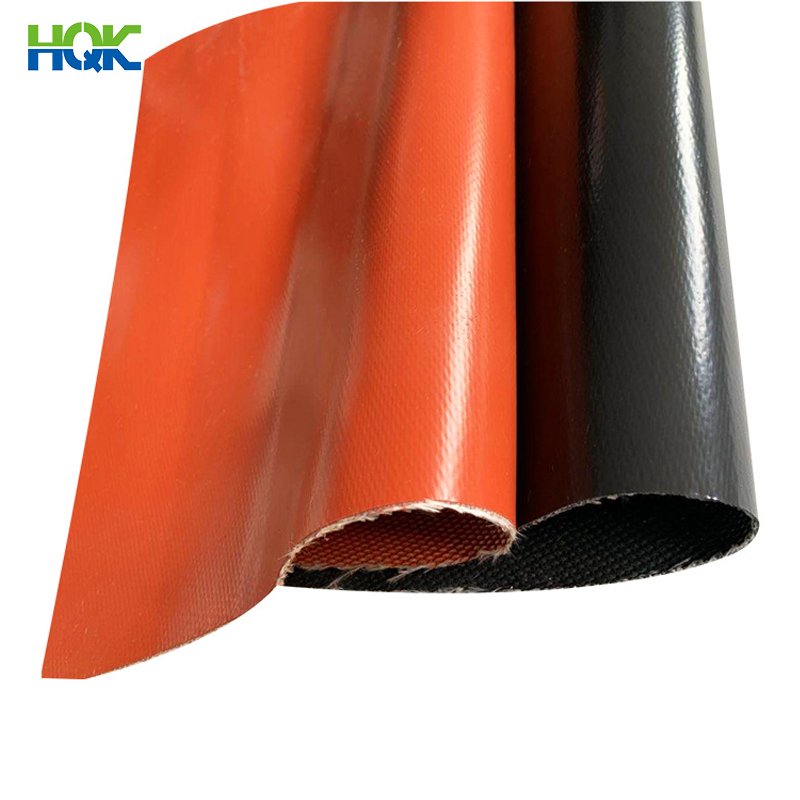
Rubber vulcanisation shrinkage refers to the phenomenon that the geometric dimensions of the finished product will shrink to varying degrees after demoulding during the vulcanisation process.
This shrinkage phenomenon is mainly caused by the following factors.
1 vulcanisation reaction rubber vulcanisation, the molecular structure from linear to reticular structure, resulting in volume reduction. This volume reduction is related to the crosslinking density, the higher the crosslinking density, the greater the shrinkage rate is usually.
2 Temperature changes Rubber expands during vulcanisation due to heat and shrinks after cooling. Since the coefficient of thermal expansion and contraction of rubber is much greater than that of materials such as metals, the shrinkage after cooling is particularly pronounced.
3 molecular chain orientation in the rubber processing process, such as refining, calendering, etc., will form a certain calendering effect, resulting in the direction of the calendering molecular chain mobility, high shrinkage, and perpendicular to the calendering direction of poor mobility, low shrinkage of the difference.
4 raw rubber varieties of different varieties of rubber due to its different molecular structure, vulcanisation shrinkage is also different. For example, polar rubber intermolecular cohesion, vulcanisation shrinkage is usually larger.
5 Vulcanisation conditions Vulcanisation temperature, time and pressure conditions will also affect the rubber vulcanisation shrinkage. Generally speaking, the higher the vulcanisation temperature, the longer the time and the higher the pressure, the greater the shrinkage.
This shrinkage phenomenon is mainly caused by the following factors.
1 vulcanisation reaction rubber vulcanisation, the molecular structure from linear to reticular structure, resulting in volume reduction. This volume reduction is related to the crosslinking density, the higher the crosslinking density, the greater the shrinkage rate is usually.
2 Temperature changes Rubber expands during vulcanisation due to heat and shrinks after cooling. Since the coefficient of thermal expansion and contraction of rubber is much greater than that of materials such as metals, the shrinkage after cooling is particularly pronounced.
3 molecular chain orientation in the rubber processing process, such as refining, calendering, etc., will form a certain calendering effect, resulting in the direction of the calendering molecular chain mobility, high shrinkage, and perpendicular to the calendering direction of poor mobility, low shrinkage of the difference.
4 raw rubber varieties of different varieties of rubber due to its different molecular structure, vulcanisation shrinkage is also different. For example, polar rubber intermolecular cohesion, vulcanisation shrinkage is usually larger.
5 Vulcanisation conditions Vulcanisation temperature, time and pressure conditions will also affect the rubber vulcanisation shrinkage. Generally speaking, the higher the vulcanisation temperature, the longer the time and the higher the pressure, the greater the shrinkage.