Français

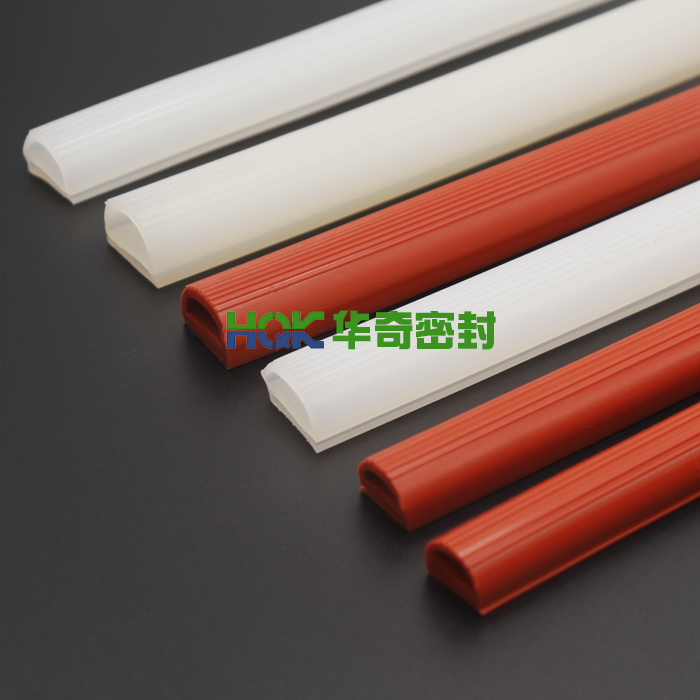
Uneven Feeding: Variable feeding rates during strip feeding cause fluctuations in extrusion pressure and flow.
Mismatched Vulcanization Rate and Extrusion Line Speed: Excessive extrusion speed combined with insufficient thermal vulcanization chamber temperature causes strip shrinkage and deformation due to elastic recovery; conversely, excessively slow speed may result in scorching at the die.
Mismatched Vulcanization Rate and Extrusion Line Speed: Excessive extrusion speed combined with insufficient thermal vulcanization chamber temperature causes strip shrinkage and deformation due to elastic recovery; conversely, excessively slow speed may result in scorching at the die.
Unstable Traction Speed: Fluctuations in the traction machine speed directly cause the strip to be stretched or compressed, resulting in dimensional changes. Variations in Rubber Compound Vulcanization Characteristics: Different batches of rubber compound exhibit varying vulcanization speeds.
Solutions:
Employ a forced feeding device to ensure continuous, uniform material supply.
Adjust the vulcanization chamber temperature and conveyor belt speed to perfectly match the extrusion speed. Typically, this requires a “low-temperature shaping zone” and a “high-temperature rapid vulcanization zone.” Ensure stable operation of the traction machine with interlocked control to the extruder. Test the vulcanization curve for each batch of material before use.
Employ a forced feeding device to ensure continuous, uniform material supply.
Adjust the vulcanization chamber temperature and conveyor belt speed to perfectly match the extrusion speed. Typically, this requires a “low-temperature shaping zone” and a “high-temperature rapid vulcanization zone.” Ensure stable operation of the traction machine with interlocked control to the extruder. Test the vulcanization curve for each batch of material before use.