Français

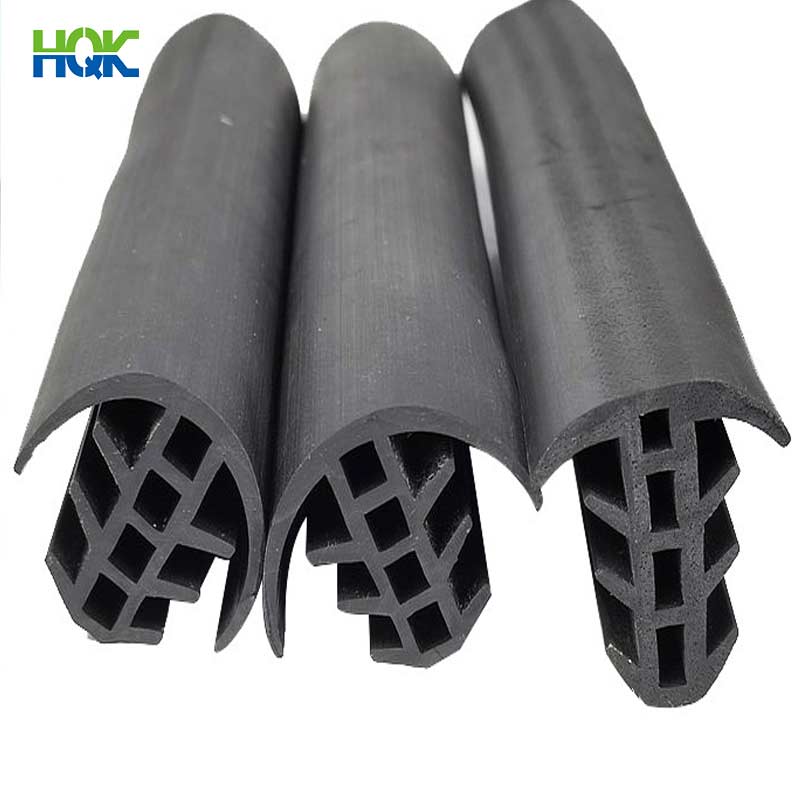
The shield tail constitutes the final section of the shield machine's shield shell, advancing immediately behind the tunnelling process. It forms a seal between the precast segments and the surrounding soil mass, preventing muddy water ingress into the tunnel. Location: Between the shield tail steel plate and the outer surface of the precast segments.
Operating Conditions: Withstands external water and soil pressure from the tunnel. Undergoes relative motion with the segments as the shield advances, subject to friction and compression. Simultaneous grouting occurs within the shield tail. Seal Type: Typically employs wire brush seals (or shield tail brushes), generally configured in 2-4 layers.
Structure: Each seal comprises wire bundles formed into brushes, enclosed within steel pressure plates and filled with specialised shield tail sealant grease (highly viscous and resistant to water jetting).
Operating Principle: Multiple wire brushes form sealing chambers. Shield tail grease is continuously pumped into these chambers via pipelines, maintaining a pressure marginally higher than external water and soil pressure. This creates a seal. Materials: Wire brushes are typically crafted from corrosion-resistant, high-strength stainless steel wire. The grease constitutes a specialised chemical compound.
Operating Conditions: Withstands external water and soil pressure from the tunnel. Undergoes relative motion with the segments as the shield advances, subject to friction and compression. Simultaneous grouting occurs within the shield tail. Seal Type: Typically employs wire brush seals (or shield tail brushes), generally configured in 2-4 layers.
Structure: Each seal comprises wire bundles formed into brushes, enclosed within steel pressure plates and filled with specialised shield tail sealant grease (highly viscous and resistant to water jetting).
Operating Principle: Multiple wire brushes form sealing chambers. Shield tail grease is continuously pumped into these chambers via pipelines, maintaining a pressure marginally higher than external water and soil pressure. This creates a seal. Materials: Wire brushes are typically crafted from corrosion-resistant, high-strength stainless steel wire. The grease constitutes a specialised chemical compound.